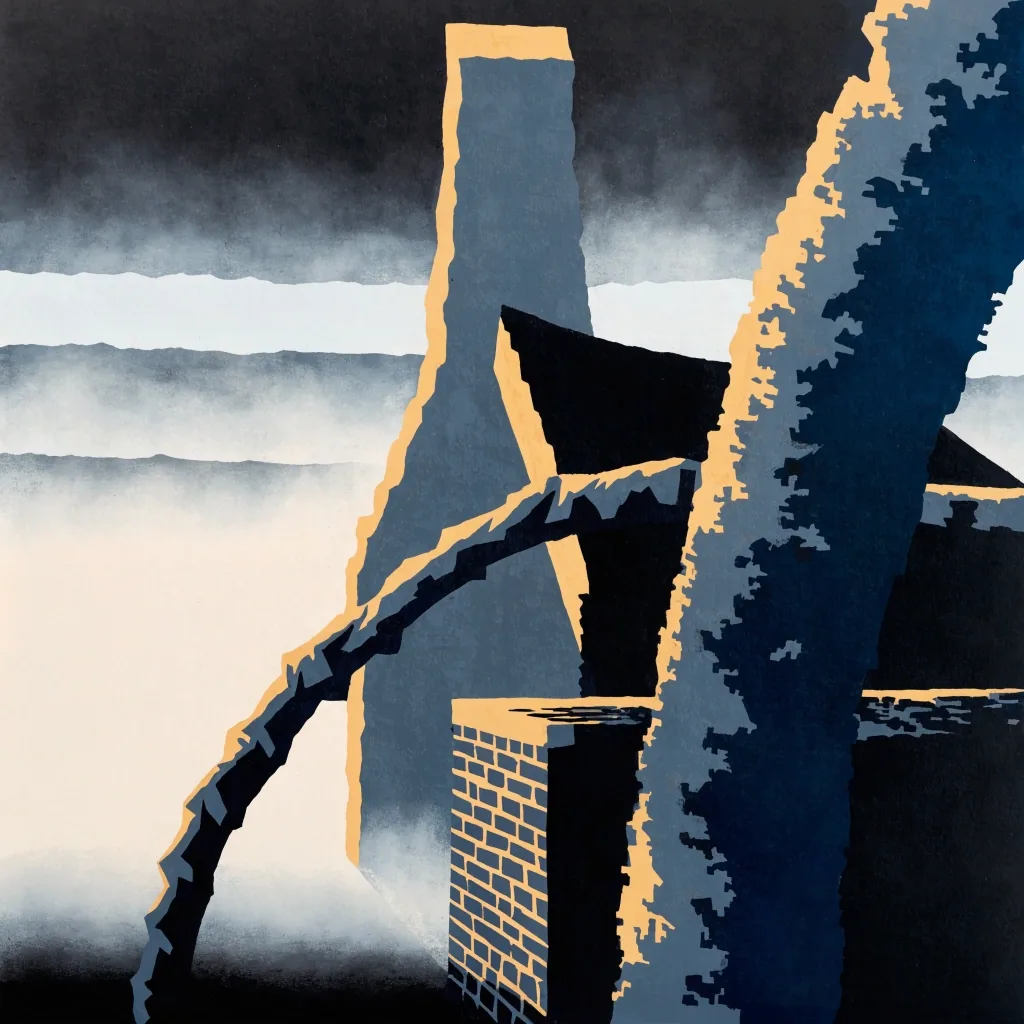
A quiet workshop desk in Lochristi at eight in the morning, cool north light raking across a monitor and keyboard

NEXORA Industrial Solutions — Lochristi, Belgium

Six plates, pinned by scroll.

A studio ledger from East Flanders — six stages of one build, laid flat on the page. NEXORA makes PC games and cross-platform desktop software from the same discipline.

The pipeline, printed

Six stages of one machine.

Stages 01–06

01

Scope

What the software has to do, who will use it, and when it needs to exist. Every project starts as a conversation about scope, not a quote; the shape we agree on is a prototype phase, a production phase, and a release phase with a working build at the end of each.
02

Prototype

Short experiments test whether an idea has legs before a production budget gets committed. A two-week prototype answers questions six months of planning cannot — one mechanic, a rough look, and an honest decision at the end about whether to continue.

03

Engine choice

Selection shapes hiring, plugin access, and how hard a port will be in year three. Open-source engines like Godot appeal to lean teams because the source is inspectable; commercial engines bring large middleware libraries and established console pipelines. Neither is automatically right — the choice gets documented either way.

04

Build

Small, testable pieces that run on a clean machine. The same build tooling carries a simulation game and an industrial tool; portability is the discipline that keeps both honest. If something only works on one machine, it is not finished yet.

Walk through our work process
05

Distribution

A set of practical choices, not one obvious answer. Browser-game platforms such as Leuven-based CrazyGames reach players who never install anything; itch.io carries prototypes and experimental releases; Steam and consoles have their own expectations about page assets, wishlist timing, and review builds.

06

Release

A release process the client can repeat without us. A build that runs on a clean machine, storefront work done before the date, and a documented path so version two is a decision rather than a rescue. Software nobody can rebuild is software with a short life.

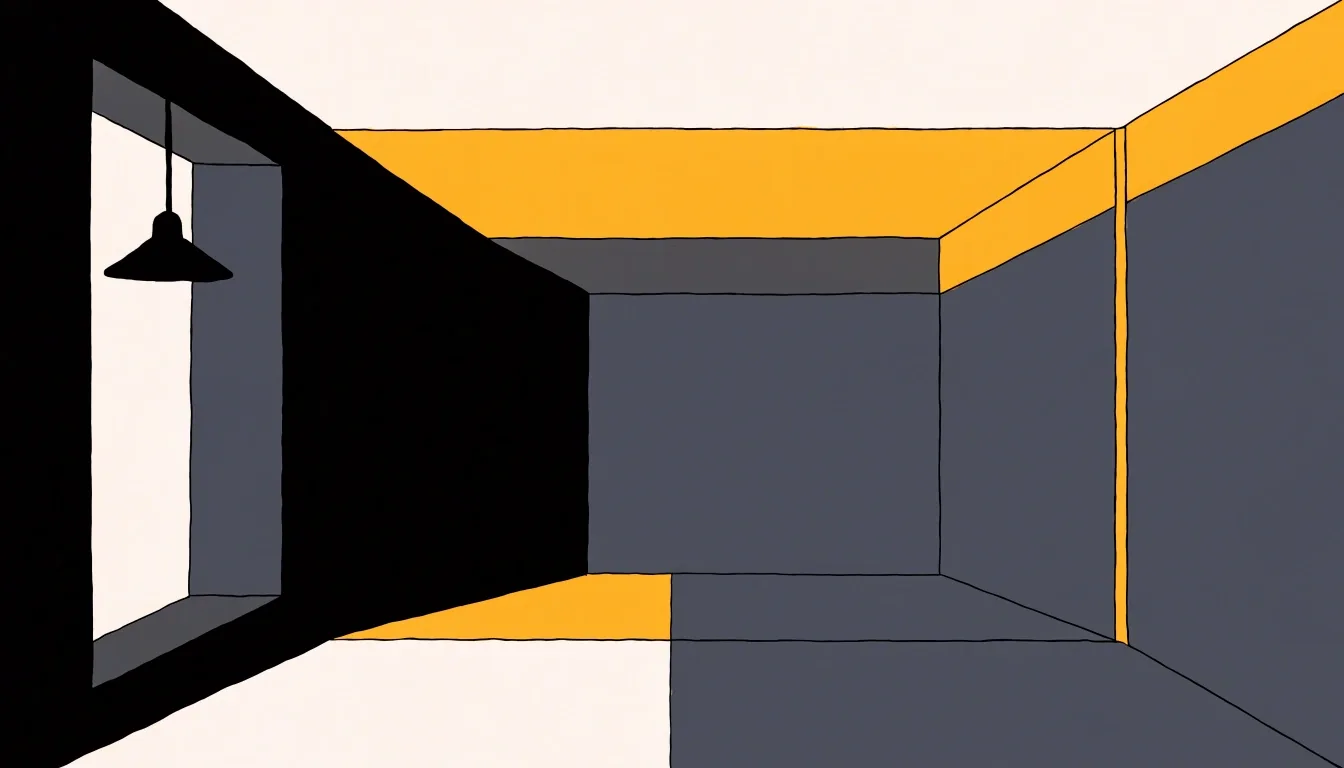
A close view of a mechanical keyboard edge under cool north light

The desk at eight in the morning — the same light the plates are lit by.

The cross-platform side

Windows, macOS, Linux.

The desktop side covers business software, Windows services, and custom tooling for local operations. A Windows service that watches a folder and syncs it to a shared drive is unglamorous and extremely useful. So is a cross-platform utility that runs identically on a receptionist's macOS machine and a workshop's Windows terminal.

Three peers, one stack

Release registers — what runs, what ran

  • Windows service — folder watcher syncing to shared drive shipped
  • Cross-platform desktop utility — identical build on macOS and Windows running
  • Linux scheduler for a workshop floor shipped
  • Custom data bridge between two existing systems shipped
  • Port of an existing PC title to a handheld target in production

Windows

Services, tray utilities, and industrial tools where the operator's machine is the target — built to run without an installer nobody can rebuild.

macOS

The same utility on a receptionist's desk as on a workshop terminal. Native behaviour, no surprises, and a build we can sign and hand over.

Linux

Server-side schedulers, background daemons, and industrial tooling that lives where nobody is watching the screen.

The specimen ledger

Engines, marketplaces, and the tools behind the work.

Engines & middleware

  • Godot — open source, inspectable workflow lean teams
  • Commercial engines — large middleware libraries console pipelines
  • Shared rendering, save systems, device abstraction game + tooling

Marketplaces & channels

  • Steam — storefront assets and wishlist timing PC release
  • itch.io — prototypes and experimental builds small runs
  • Browser-game platforms — plays without an install CrazyGames, Leuven
  • Console storefronts — review builds and page expectations planned ahead

The studio's own stack

  • Repeatable build tooling for game and desktop code both tracks
  • 3D and 2D art, concepting, programming — in house small team
  • Shared discipline across PC games and desktop software since day one
  • Distribution and porting strategy authored per project documented

The shipping record

Two tracks, one discipline, small team, senior attention.

Clients come from two directions — small teams and solo developers who need production help, and regional companies that have outgrown spreadsheets and need a tool built for how they actually work. Every project gets senior attention rather than a handoff to a junior bench.

Where we ship from

Raveschoot 22, 9080 Lochristi, Belgium — East Flanders. Work happens from there, and collaboration with external artists, writers, and engineers happens on a project basis from wherever they are.

A PC games — production, porting and release pipelines From a two-week prototype to a store page that exists while the game is still changing shape.
B Desktop applications — Windows, macOS, Linux Business services, tray utilities and cross-platform tooling that outlives the person who built it.
C Tools & marketplaces — how the choice gets made Open-source engines and commercial middleware weighed honestly, channel by channel.
D The studio itself — who is behind NEXORA A small Belgian workshop, senior attention on every project, external collaborators on a project basis.

Getting a project moving

The first step is a conversation about scope, not a quote.

We want to know what the software has to do, who will use it, and when it needs to exist. From there we can propose a realistic shape — a prototype phase, a production phase, and a release phase with a working build at the end of each.

Tell us about the project in plain terms. Scope, users, and timeline are more useful to us than a formal brief.

Studio
Raveschoot 22, 9080 Lochristi, Belgium
Hours
Monday to Friday, 9:00 AM – 6:00 PM

Before you write

Questions we get first.

Is NEXORA a game studio or a software company?
Both, and the split is roughly even. Games and desktop applications run on the same engineering discipline, and the studio's team covers programming, 3D and 2D art, and concepting for either.
Where is the studio based?
Raveschoot 22, 9080 Lochristi, Belgium, in East Flanders. Work happens from there, and we collaborate with people elsewhere on a project basis.
Do you only release on PC?
PC is the usual first target because it is the least expensive platform to reach and the easiest to iterate on. Other platforms get planned in from the start when a project calls for them.
Can you take on a small custom software job?
Yes. Some of the most useful tools we build are small: a Windows service, a scheduler, or a data bridge between two existing systems.
How do I start a conversation?
Use the contact page and describe the project in plain terms. Scope, users, and timeline are more useful to us than a formal brief.